Where are Fire Rated Doors Necessary in Your Home?

Time:2026-05-31 Author:Charlotte
0%

When considering home safety, the importance of fire rated doors cannot be overstated. They act as essential barriers that slow the spread of fire, providing critical time for occupants to evacuate. The National Fire Protection Association (NFPA) reports that nearly 3,400 civilian deaths occur each year due to home fires. Clearly, understanding "where are fire rated doors required in a house" is essential for safeguarding lives.

In many jurisdictions, fire rated doors are necessary in specific areas such as garages, basements, and between living spaces and utility rooms. Moreover, it’s vital to consider varying building codes and regulations across regions. According to the International Building Code, these doors must meet specific fire resistance ratings, often ranging from 20 to 90 minutes depending on their location. Without proper installation, even the best-rated doors won't perform effectively in emergencies.

Addressing the question of fire rated doors, many homeowners overlook the necessity of professional advice. Regular maintenance on these doors is often neglected, leading to potential failures. Being proactive in understanding and implementing fire safety measures in your home is crucial. Ignorance can have dire consequences when safety is at stake.
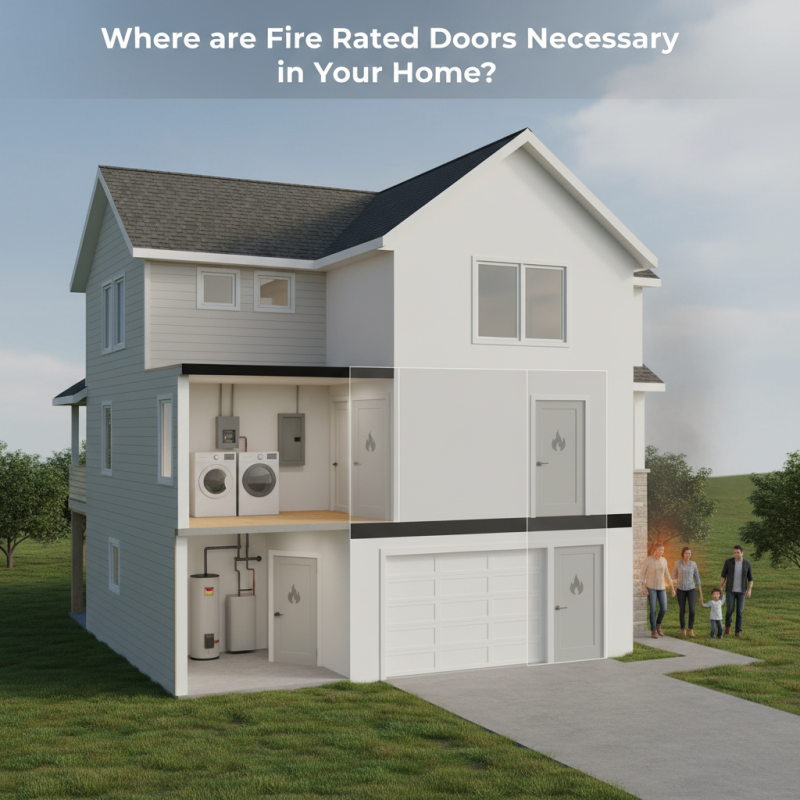
Where are Fire Rated Doors Necessary in Your Home?

What Are Fire Rated Doors and Their Purpose in Homes?

Fire rated doors play a crucial role in enhancing safety within homes. These doors are designed to resist fire and prevent its spread. They provide a physical barrier that can significantly slow down the progression of flames and smoke. According to the National Fire Protection Association (NFPA), fire-rated doors can hold back fire for 20 to 90 minutes, allowing occupants time to escape safely. This time is vital during emergencies.

In many homes, fire-rated doors are necessary in specific areas. They are often required in places such as garages, utility rooms, or between living spaces and stairwells. An estimated 25% of residential fires start in garages, making it essential to use fire-rated doors in that area. The materials used to construct these doors include steel, gypsum, or wood composites. Each material is tested to meet specific fire resistance ratings. A common misconception is that all doors provide the same level of protection; this is not the case.

Homeowners should regularly inspect their fire-rated doors. Issues like improper installation or damage can render them ineffective. A door that does not fit tightly within its frame can allow smoke and fire to pass through more easily. The National Institute of Standards and Technology (NIST) notes that having functional fire-rated doors can reduce the risk of injury during a fire by 50%. Ensuring these doors remain in good condition is essential for maximizing their protective benefits.

Fire Rated Doors in Homes

This chart illustrates the recommended number of fire rated doors necessary in various rooms of a typical home. Fire rated doors are essential for enhancing safety by preventing the spread of fire and smoke, thus protecting both life and property.

Key Areas of Your Home That Require Fire Rated Doors

Fire rated doors play a crucial role in protecting your home from potential fires. They are specially designed to withstand high temperatures and prevent the spread of flames. One key area that requires fire rated doors is the garage. A fire can quickly spread from the garage to the rest of the home. Installing a proper fire rated door helps contain a fire, giving you time to escape.

Another essential area for fire rated doors is between living spaces and stairwells. These doors create a barrier, slowing down smoke and flames. If a fire occurs on one level, residents on the upper levels have better chances to evacuate safely. Additionally, bedrooms should have fire rated doors. This precaution provides an extra layer of protection for sleeping individuals who may not be aware of a fire until it's too late.

While some might overlook these installations, it’s vital to consider their necessity. Without them, you could face greater risks. Take a moment to assess the areas in your home that could benefit. Are your fire doors in good condition? Regular inspections can help ensure they function correctly when needed. Adjustments and replacements may be necessary to maintain safety standards.

Where are Fire Rated Doors Necessary in Your Home?

Key Area Reason for Fire Rated Door Recommended Rating
Garage Protects the home from fire hazard due to vehicles and flammable materials. 1.5 hours
Utility Room Contains potential fire hazards such as electrical panels and heating equipment. 1 hour
Basement Protects living areas above from smoke and fire in case of basement fire. 1 hour
Kitchen Contains appliances that can be potential fire sources during cooking. 1 hour
Bedrooms Provides a protective barrier to escape routes in case of fire. 20 minutes

Building Codes and Regulations for Fire Rated Doors

Fire rated doors play a critical role in home safety. Building codes often dictate where these doors must be installed to protect lives and property. Typically, they are required in areas that connect to garages, basements, and utility rooms. This helps contain any fire that may originate in these spaces. Homeowners should be aware of local regulations, as not all regions enforce the same standards.

In many jurisdictions, these doors must meet specific fire-resistance ratings. They need to withstand flames for a certain period, often ranging from 20 to 90 minutes. This time allows occupants to evacuate safely. However, some homeowners underestimate the importance of these doors and their proper installation. Misalignment or poor sealing can compromise their effectiveness. Regular inspections can highlight these issues, ensuring the doors function as intended.

Understanding the codes can sometimes feel overwhelming. It's essential to consult local fire safety regulations. These requirements can change, reflecting updated safety standards. Homeowners may struggle to keep up with these updates. Yet, staying informed is crucial for enhancing home safety. Engaging with local fire departments or safety boards can provide valuable insights.

Selecting the Right Type of Fire Rated Door for Your Home

When selecting the right type of fire rated door for your home, it’s crucial to consider various aspects. Fire rated doors come in different ratings, typically 20, 45, 60, and 90 minutes. These ratings indicate how long a door can withstand fire and prevent its spread. Assessing your home layout helps. Identify areas where fire hazards are more likely. This includes garages or areas with heating equipment.

Choosing materials is equally important. Steel and solid wood are popular choices for fire rated doors. A solid core door offers better protection than hollow options. Additionally, consider the aesthetics of the door. It should blend well with your home’s decor while providing safety. Not all homes have the same layout or materials, so standard solutions may not always work. Customization might be necessary.

Regular maintenance of these doors is essential. Make sure they close properly and are not obstructed. Paint them every couple of years to prevent peeling, which might weaken their fire resistance. Reflect on the installation process as well. Poorly installed doors can hamper their effectiveness. Consulting a professional ensures your choices meet safety standards. Balancing safety and style may lead to tough decisions, but it’s crucial for your peace of mind.

Maintenance and Inspection of Fire Rated Doors in Residential Spaces

Fire rated doors play a crucial role in enhancing safety in residential spaces. Regular inspection and maintenance are necessary to ensure they function optimally during emergencies. Homeowners should check the door’s seals and hinges at least twice a year. Any visible wear and tear can compromise the door's effectiveness. A well-maintained fire rated door can prevent the spread of flames and smoke, protecting critical areas of your home.

In addition, the importance of proper installation cannot be overlooked. Doors must fit securely in their frames to ensure maximum efficiency. Gaps or misalignment can hinder their performance. It's wise to consult professionals for installation. Documentation of maintenance and inspections is also vital for insurance purposes. Many homeowners overlook this aspect, which could lead to problems during claims. Regular checks and proper documentation are best practices for ensuring safety and compliance in your home.

FAQS

: What are fire rated doors designed for?

: Fire rated doors are designed to withstand high temperatures and prevent the spread of flames during a fire.

Where should fire rated doors be installed in a home?

Key areas include the garage, between living spaces and stairwells, and in bedrooms for added safety.

How do fire rated doors help during a fire?

They create barriers that slow down smoke and flames, allowing residents more time to evacuate safely.

What materials should be considered for fire rated doors?

Steel and solid wood are preferred materials. Solid core doors provide better protection than hollow options.

How often should fire rated doors be inspected?

Inspect fire rated doors at least twice a year for seals and hinges to ensure their effectiveness.

Why is documentation of maintenance important?

Proper documentation is vital for insurance purposes and can prevent complications during claims.

Can fire rated door installations be customized?

Yes, customization may be necessary due to unique home layouts and materials. Standard solutions may not always fit.

How does poor installation affect fire rated doors?

Poor installation can lead to gaps or misalignment, significantly hindering the doors' effectiveness during a fire.

What maintenance tips should homeowners follow for fire rated doors?

Ensure doors close properly, paint them every few years, and check for any visible wear and tear.

How can the aesthetics of a fire rated door be balanced with safety?

Choose doors that blend with your decor while ensuring they meet safety standards. It's a tough balance.

Conclusion

Fire rated doors play a crucial role in enhancing the safety of residential spaces by slowing the spread of fire and smoke. In answering the question, "Where are fire rated doors required in a house?", key areas typically include the garage to living spaces, utility rooms, and between different levels of a home. These doors are designed to meet specific building codes and regulations, ensuring that they can withstand fire for a predetermined period, thereby providing residents with valuable escape time.

Selecting the right type of fire rated door is essential for home safety. Homeowners should consider factors such as fire resistance rating, materials, and the specific locations within the home that necessitate these doors. Regular maintenance and inspections are vital to ensure the doors function correctly and continue to provide the intended protection. By understanding the importance and requirements of fire rated doors, homeowners can better safeguard their properties and loved ones.

Charlotte

Charlotte

Charlotte is a seasoned marketing professional with a deep understanding of the company's portfolio and a passion for elevating its presence in the market. With a keen eye for detail and a commitment to excellence, she ensures that our professional blog is regularly updated with insightful articles......